


ADHD/Focus
ADHD Isn’t a Lack of Willpower
If you or your child live with ADHD, you know the daily mental fatigue of trying to manage a mind that seems to run on its own rules. It’s the frustration of knowing what you need to do, but feeling an invisible wall stopping you from getting started. It’s hyper-focusing on the wrong thing for hours while critical tasks sit untouched. It’s the mental noise, the physical restlessness, and the constant feeling that you’re working twice as hard as everyone else just to keep up.
ADHD and focus difficulties show up in daily life as staying engaged in a conversation, feeling overwhelmed by stimuli, or allowing frustration to boil over into anger. For many, standard coping mechanisms or sheer willpower simply aren’t enough to sustain concentration when the underlying neural circuitry is dysregulated.

Most people assume focus is a choice. They tell you to “just eliminate distractions” or “try harder”.
This couldn’t be further from the truth. ADHD is a complex, biological condition rooted in neuroanatomy and genetics.
Focus isn’t just a mindset, it’s a measurable pattern of brain activity. It is a biological pattern in how your brain regulates attention, executive function, and arousal.
ADHD has 3 dominant symptom patterns, each requiring a unique treatment approach.
Predominantly Inattentive - Struggle with focus, task completion, organization, and working memory. No significant physical hyperactivity.
Predominantly Hyperactive-Impulsive - Excessive motor activity, restlessness, impulsive decision-making, and difficulty with inhibitory control. Attention skills may remain relatively intact.
Combined - The most common form of ADHD, characterized by significant symptoms across both the inattentive and hyperactive-impulsive domains.
Stop fighting your focus, start working with your brain.
A New Way Forward: Measuring the Brain Behind the Focus
Real change doesn’t start by trying to force your mind to quiet down. It starts by understanding what your brain and nervous system are actually doing behind the scenes. Instead of relying solely on symptom checklists or trial-and-error, we view ADHD and focus difficulties through an objective lens.

By measuring the real-time activity of your brainwaves, heart rate variability, and psychological stress responses, we take the guesswork out of your care.
You Benefit and Gain…
Targeted Neural Insights
We identify whether your brain is struggling with slow-wave dominance (brain fog/inattention), fast-wave overload (racing thoughts/anxiety), or difficulty shifting gears.
Validation and Clarity
It’s often a profound relief to look at clear data and confirm that your focus challenges are rooted in measurable biology.
A Personalized Strategy
With objective data, we don’t have to guess what strategy will help you. Your brain’s unique profile guides the plan.
Baseline to Balance: Your Roadmap to Regulation
We don’t offer a one-size-fits-all protocol. We build a data-driven pathway designed to train your system back into balance.
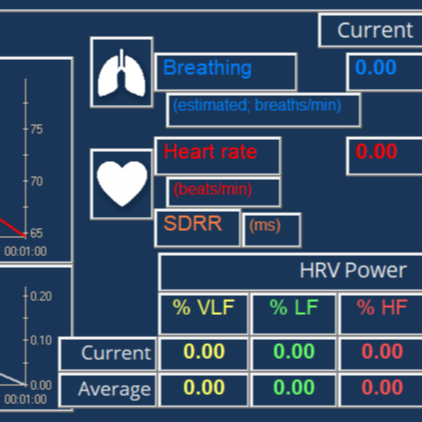
Map Your Brain and Nervous System
We start by recording your baseline brain and nervous system activity. We identify how your brain manages attention, processes information, and handles mental effort, essentially giving us a neural profile of your specific neural pathways.. The data also shows us exactly how your nervous system manages stress and resilience.
More about our qEEG Brain Mapping Assessment and Psychophysiological Assessment.
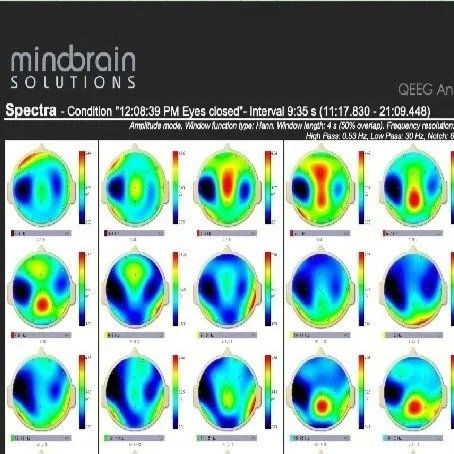
Validation and Clarity
ADHD symptoms overlap in many cases, so your assessment data will provide clarity to which solutions best fit your current brain and nervous system patterns..
The goal is to improve brain connectivity and regulate the nervous system, helping you to improve focus, control impulsiveness, improve communication, reduce procrastination, decrease restlessness. and gain confidence.
Neuro-regulation and physiological solutions used for ADHD and focus concerns include:
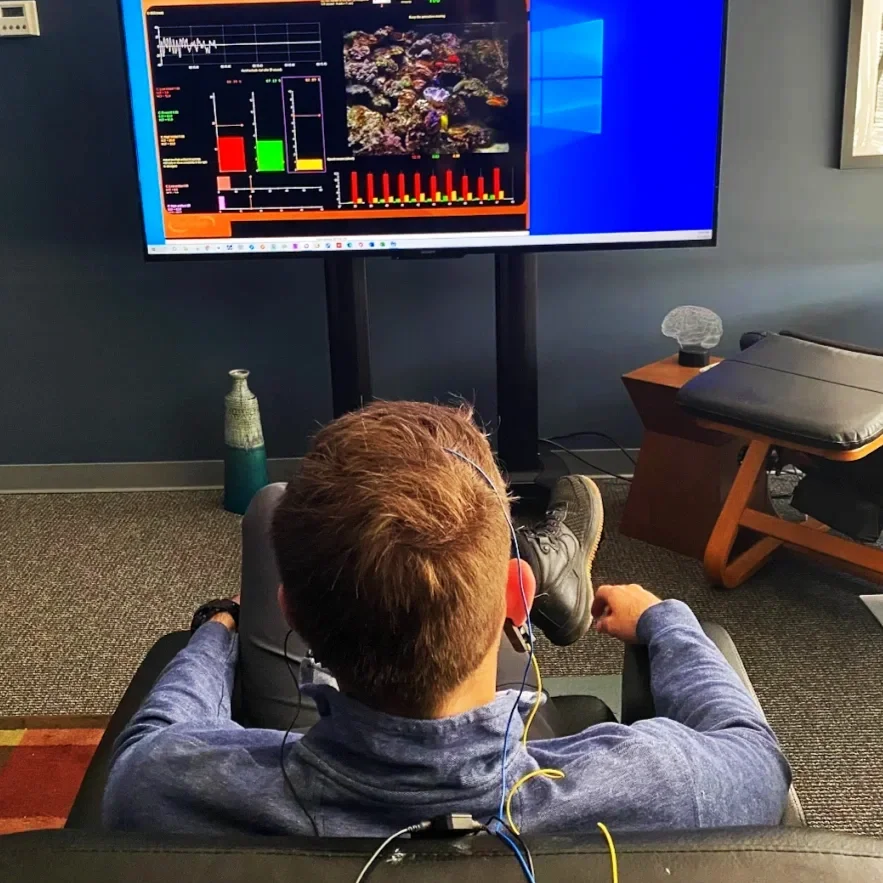
Neurofeedback Therapy
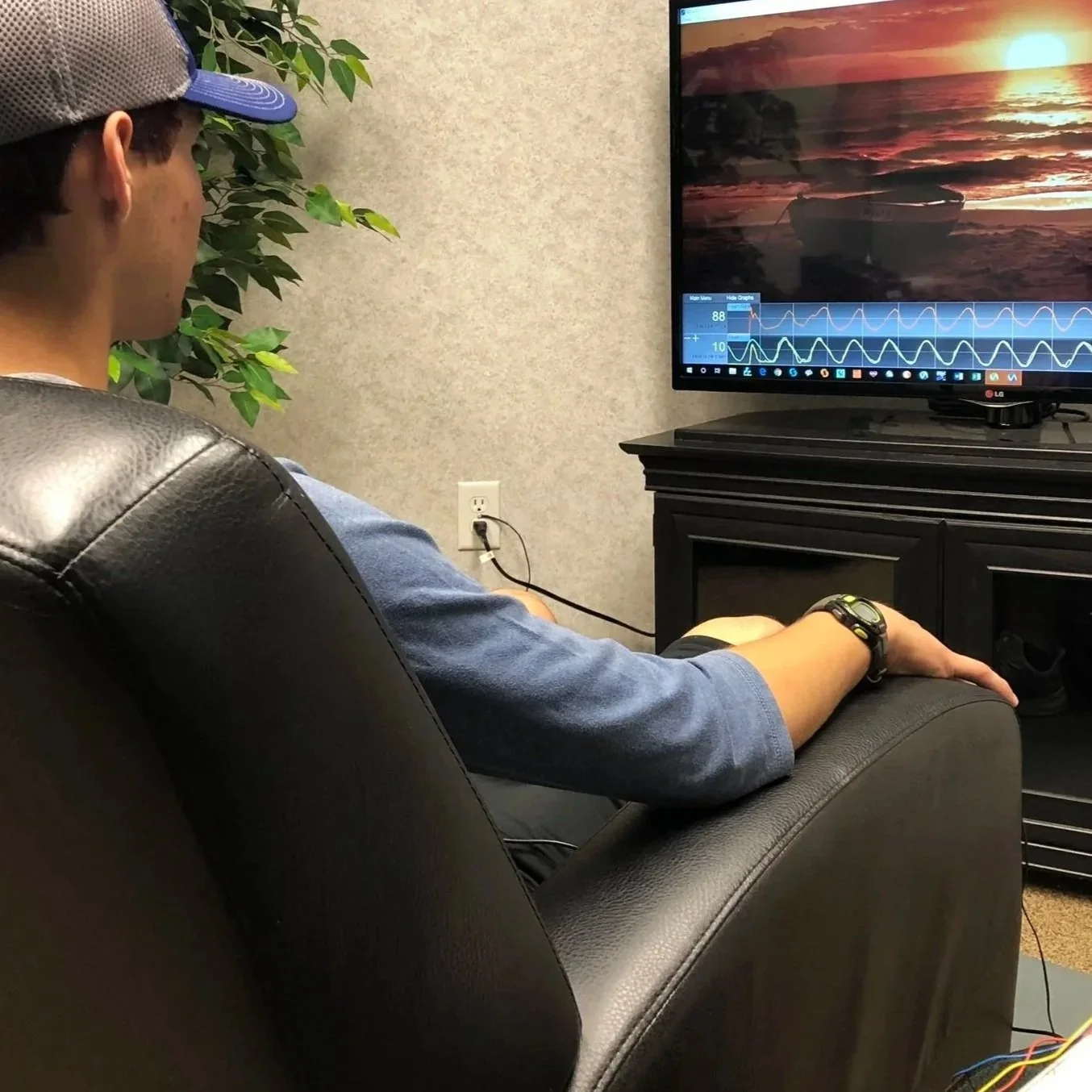
Biofeedback Therapy
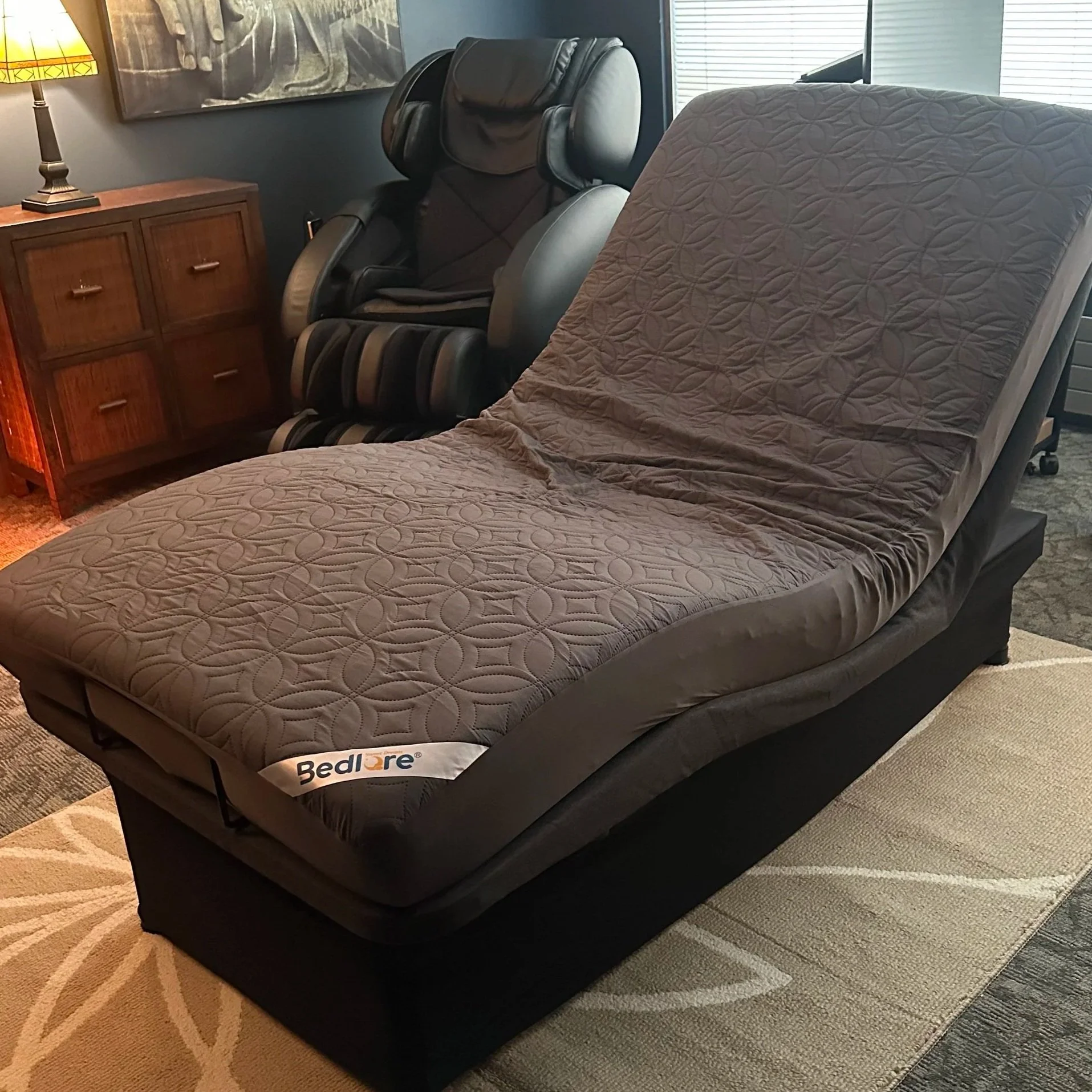
Vibroacoustic Therapy
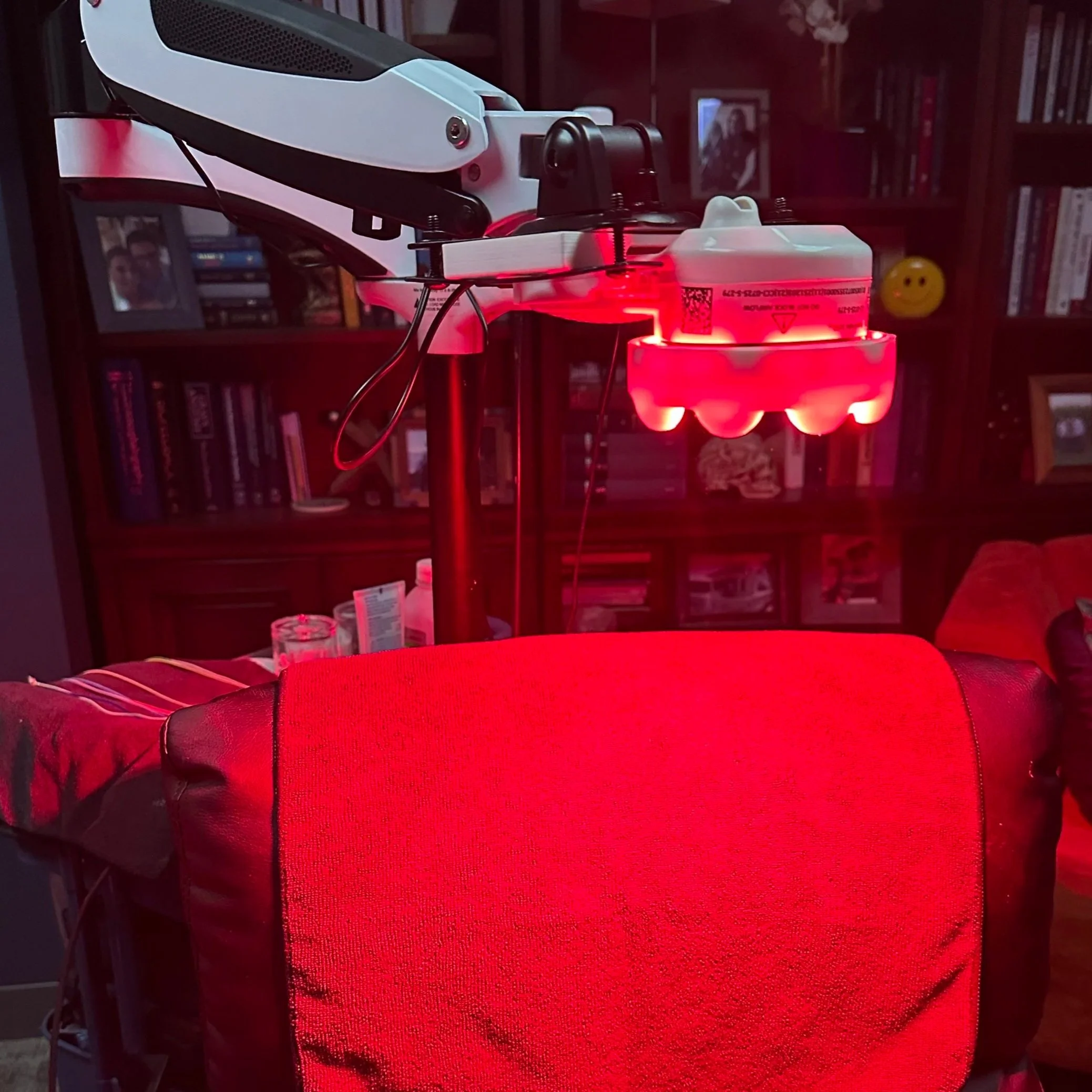
Transcranial Photobiomodulation
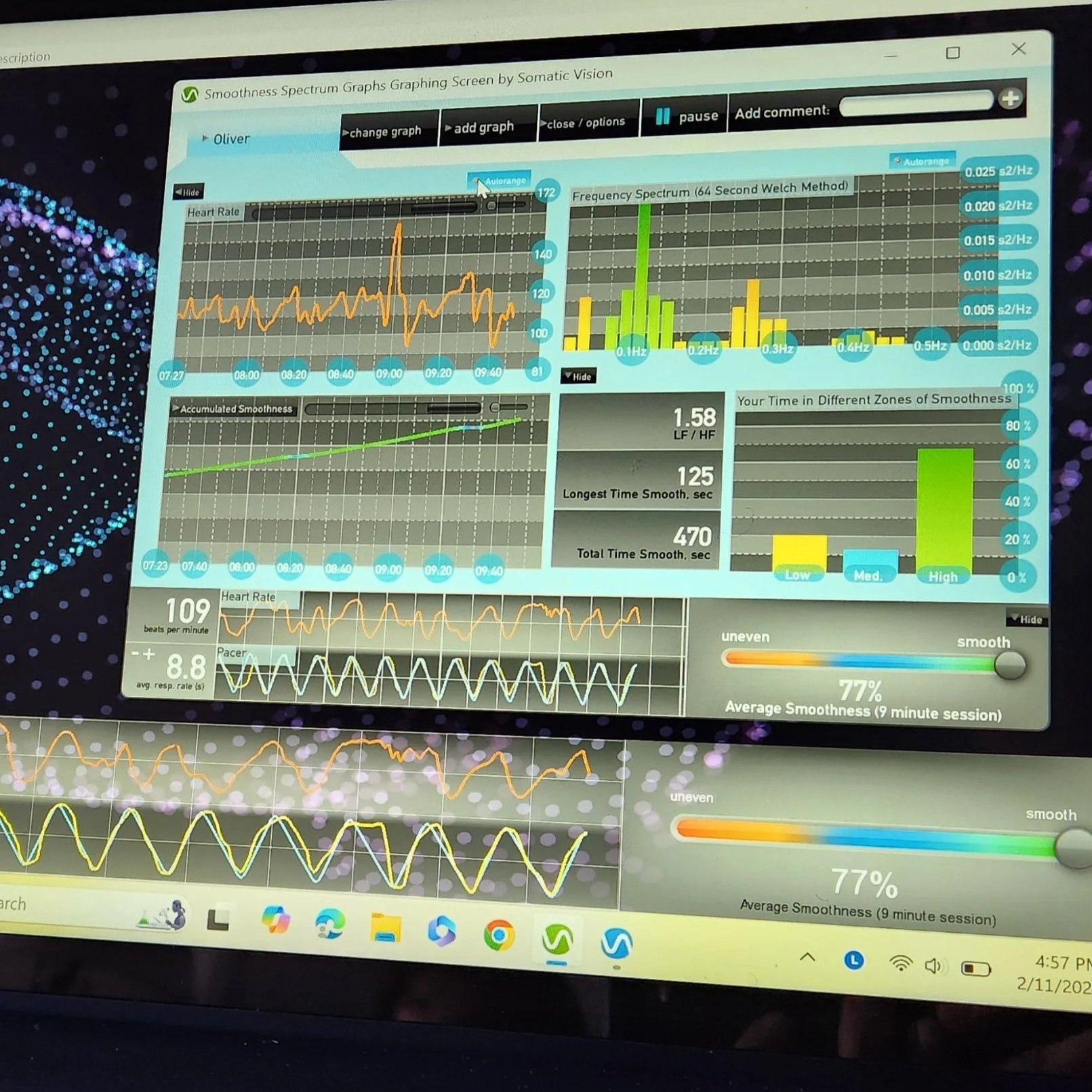
Track Real Progress
We measure your system objectively as you are training, so you don’t have to wonder if things are working. Not only will you subjectively feel a change in your brain activity, but you will also be able to track your nervous system’s shift toward resilience.

Distraction to Driven
You don’t have to keep fighting your own brain and nervous system. Get a clear picture of how your brain processes information. With objective insight and individualized solutions, you can learn to regulate your brainwaves and nervous system, unlocking your true potential.
You cannot always think your way out of it, but you can take the first steps to feeling better.