Neurofeedback Therapy
Training the Brain to Improve Function
Neurofeedback (also referred to as EEG Biofeedback) is a non-invasive therapeutic option that uses real-time visual and audio displays of brain activity to teach self-regulation of brain function.
Creating Healthy Neuropathways
A healthy brain has specific amounts of brain activity. There should be a greater amount of fast content in the front of the brain and slower in the back, faster on the left side than right side. There shouldn’t be “hot spots” of fast or slow activity in a given area. Brainwave dysregulation is the result of the brain getting “stuck” in an unhealthy pattern or having a certain area with too much fast or slow brainwave activity. Neurofeedback training is a highly individualized approach based on your QEEG Brain Mapping data analysis that helps to bring back regulation in the areas of the brain that have been “stuck”. Your training protocol may even look different from a family member, because brainwave activity is unique. Neurofeedback Therapy identifies and trains the brain to be more flexible and resilient, to create or strengthen the proper neuropathways to regain optimal functioning.
How it Works
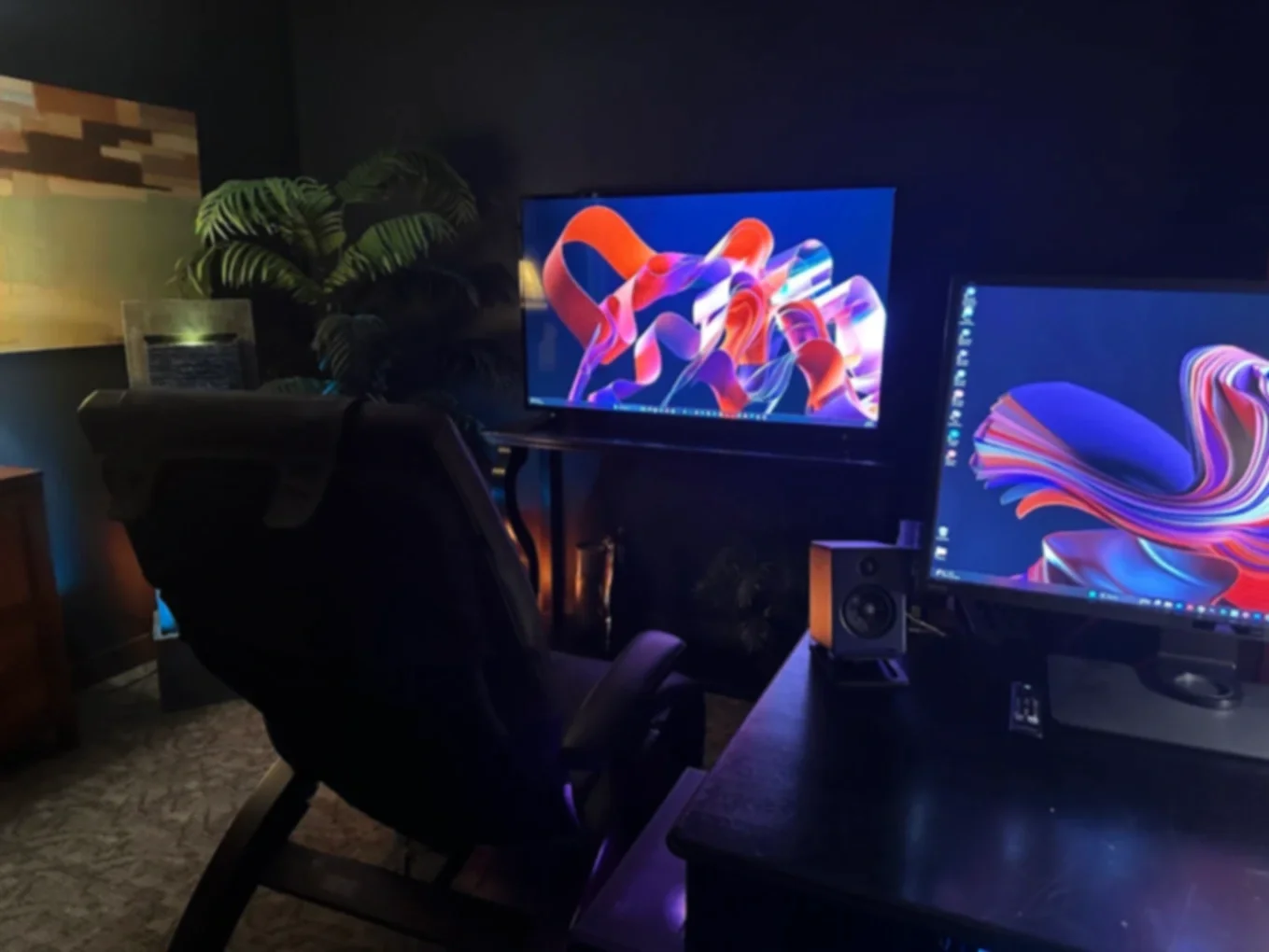
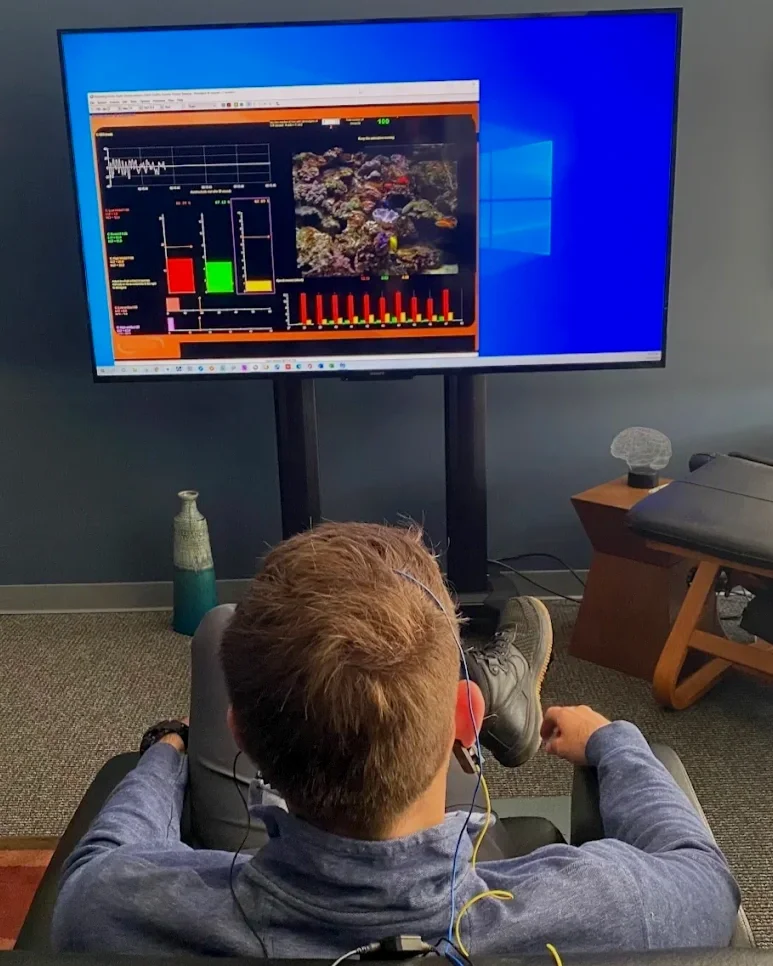
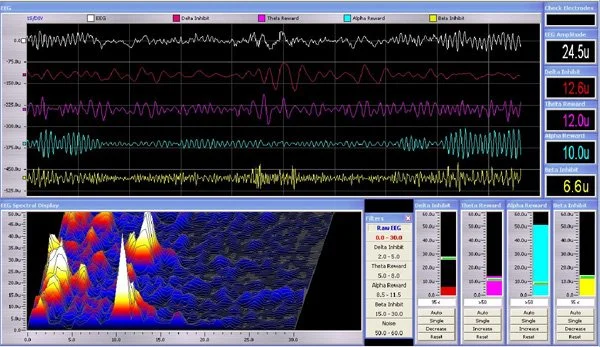
During a Neurofeedback training session, the specialized software records brainwave activity in a particular area of the brain. At the same time, a client is watching a screen displaying real-time audio and visual feedback as a chosen movie or game. In the background, the software filters the recorded brainwave data into “inhibit” and “reward” categories based on the training objective. When the client’s brain makes too many brainwaves in the “inhibit” category, the screen in front of them dims, and when the brain makes more of the “reward” category, the screen brightens as a “reward”. The client in Neurofeedback therapy is in control of this through operant conditioning. Simply put, the screen grows brighter when the client is focused and on-task, and dims when the client’s brain drifts off and loses focus. Repetition of this process during Neurofeedback training strengthens neuropathways.
An Example
A client with ADD often has excessive slow content in the frontal lobe, seen as Theta brainwave activity. In addition, this person may be deficient in sensory motor rhythm (SMR) activity. A typical Neurofeedback therapy session will discourage the Theta brainwave activity (“inhibit” category) that leads to daydreaming and strengthen the SMR brainwave activity (“reward” category) for greater focus. Again, repetition during Neurofeedback training teaches the brain to focus and also alerts the client visually with a dimmed screen every time they are not paying attention. This multi-faceted experience is essential to gain control over your brain and regulate its functioning.
Different Types of Neurofeedback
Thousands of research studies have been conducted on Neurofeedback since it was discovered in the 1950’s. With the early discovery of Neurofeedback improving sleep and performance, NASA became involved in the 1970’s, helping to further push the technology forward. Today, scientists and clinicians have moved to a therapy based on sophisticated Neurofeedback software.
Currently, there are a number of different modalities in use.
Traditional (EEG) - 3-5 electrodes on the scalp measure brainwave frequencies and provide feedback as target brainwave patterns are achieved
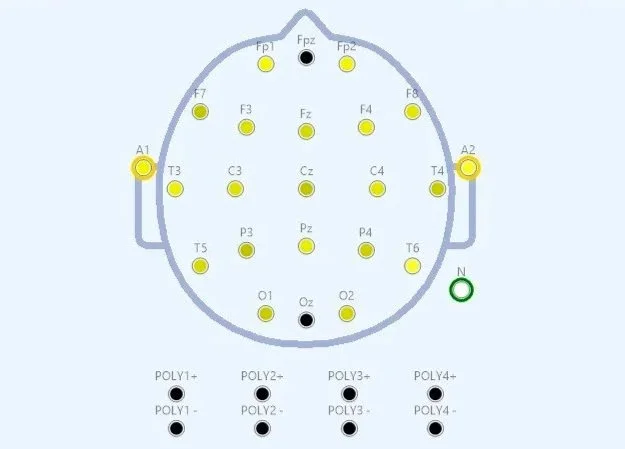
QEEG/LORETA (Low-Resolution Electromagnetic Tomography) - 19 sensors on the scalp compare brain activity to a QEEG database to guide brain training
Infra-low Frequency (ILF) - Focus on extremely low brainwave frequencies
Slow Cortical Potential (SCP) - Focus on the slow, gradual shifting of electrical activity in the brain
Hemoencephalography (HEG)- Measures blood flow and oxygenation levels in the brain rather than electrical activity
Low-Energy (LENS) - Uses tiny amounts of electrocurrent to the brain (not used by MBS)
Mind Brain Solutions offers all modalities of Neurofeedback above with exception of LENS. The primary method we choose to utilize with our clients is Traditional (EEG) Neurofeedback because it not only is a slow and steady approach with precise protocols, but also has the most clinical research supporting it.
Mind Brain Solutions uses the results of our QEEG Brain Mapping Assessment to determine what solutions are right for you, including Neurofeedback Therapy.
Learn more about this assessment, as well as how your brainwave functioning can be better understood.
Benefits of Neurofeedback Therapy
Teach your brain through real-time feedback
Manage anxiety and depression symptoms
Improve focus and concentration
Combat past trauma and PTSD
Eliminate distraction and hypersensitivity
Improve memory and attention span
Reduce hyperactivity and impulsivity
Promote better sleep and relaxation
Support rehabilitation for concussions and other brain injuries
Wide-ranging positive results are possible because Neurofeedback Training is based on your brain’s individual needs. As you train, you are developing new neural pathways, teaching your brain to reorganize and function better.
Session Specifics
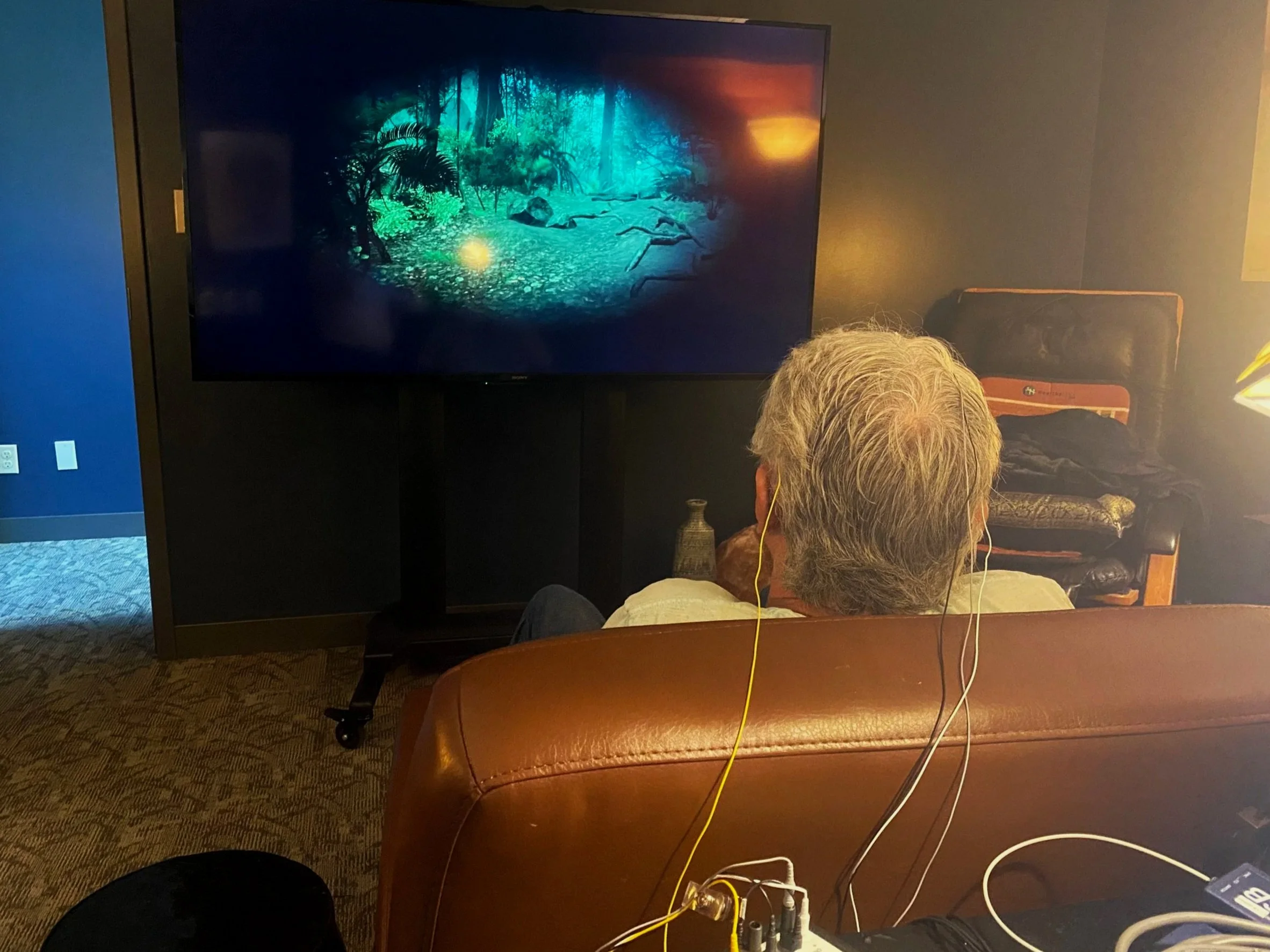
Neurofeedback is a simple, non-invasive training in which 3-5 tiny sensors are placed on the scalp at specific locations based on the client’s MBS QEEG Assessment data. As you sit comfortably in front of a screen, you may watch a video or animated game that changes with your brainwave activity. Although this is a passive training in which letting go is the primary goal, the software gives real-time feedback of your brainwave activity. You are rewarded when your brain functions in a focused and relaxed manner by the screen brightening and continuing to play. Conversely, the screen dims and begins to pause when you are stressed and unfocused. This happens because the software is constantly tracking the brain activity and helping you restore brain function. Sessions are often 30 minutes, 3 days a week for best results. Consistency is the name of the game with this therapeutic solution.
Experience Neurofeedback Therapy at Home
Neurofeedback sessions can be run in the comfort of your home. Mind Brain Solutions believes in a hybrid approach, offering you the same training experience but at home. Each session is facilitated by a Mind Brain Solutions team member connected with you over the phone and through your computer. You will have received training on how to place the sensors and prepare for each session.
MBS will assist with equipment options for your home.
Training is the same office, being 30 minute sessions, 3 times per week for optimal results.
Dogs and Cats, and History of Neurofeedback
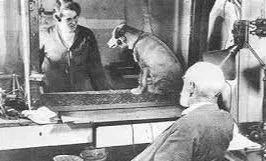
One of the most common takeaways from Psych 101 is Pavlov’s dog experiment and it’s proof of classical conditioning. Neurofeedback incorporates classical conditioning to help the brain associate specific signals with the improved states.
Another Psych 101 takeaway is the concept of operant conditioning. There is also a respected research study by Dr. Barry Sterman using EEG on cats in the late 1960’s. He was able to prove that cats can regulate their brains with a reward system. In addition, this research provided evidence that EEG training was not a placebo, because simply put, cats can’t fall for a placebo. Neurofeedback primary uses operant conditioning through positive reinforcement for desired brainwave activity.
Dr. Ferroly discusses the importance of Neurofeedback.
“Neuroplasticity means your past doesn’t have to be your future.”
Dr. Norman Doidge
Ready to take the next step?