QEEG Brain Mapping
A Non-Invasive Window Into the Brain
Quantitative Electroencephalogram (QEEG): A diagnostic tool that records and analyzes the brain’s electrical activity (brainwaves). The QEEG is also known as Brain Mapping.

100 years of scientific advancement
The Power of QEEG Brain Mapping
Determine the root causes of your symptoms
Discover areas of your brain that may be working too hard or not enough
Help determine if you are taking the right medication and/or discussing the correct issues your brain is having
Track progress of therapeutic interventions
Stop guessing… objective information is available.
Brief History
The recording of brain waves was discovered in 1924 by German psychiastrist, Hans Berger. However, it wasn’t until computer analysis came to be, that the QEEG was pushed forward in development by the UCLA Brain Research Institute (1960’s) and Dr. Roy John (1970’s). In the 1990’s Dr. Robert Thatcher and Dr. Lawrence Farwell were both integral in advancing QEEG brain mapping to what we continue to use and improve upon now.
General Overview
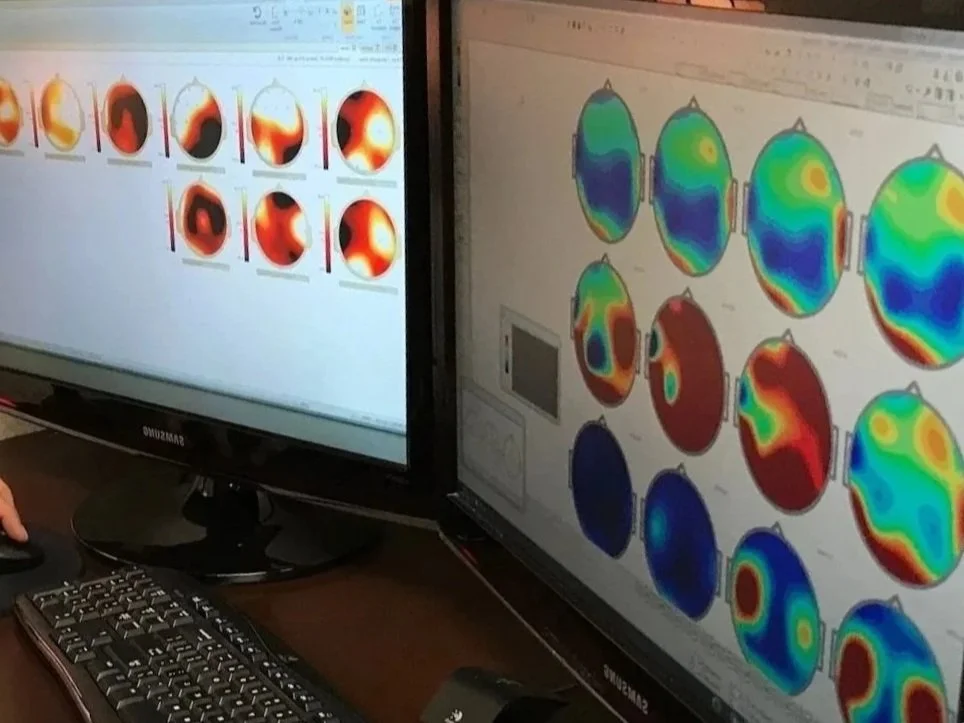
QEEG Brain Mapping is a procedure that measures and records neural activities of brain cells simultaneously from 19 locations on the head. The data is transformed into 2D and 3D color maps to identify areas of over and underactivity in the brain.

There are a number of brain scans and tests. It’s important to know the difference so you can make the most informed decision on your next steps.
EEG vs QEEG Brain Mapping
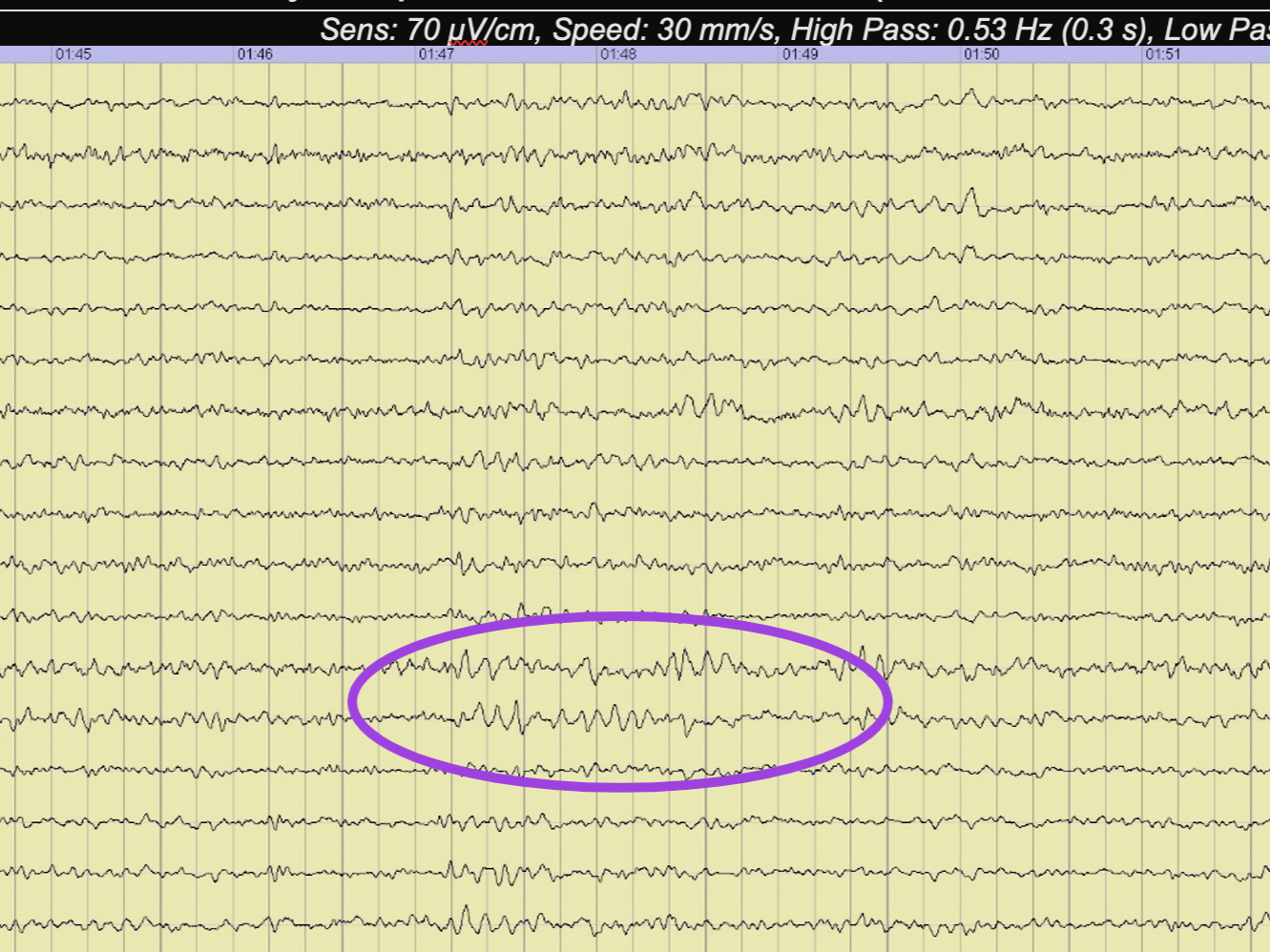
The Electroencephalogram (EEG) is a test that measures electrical-chemical reactions of neurons across the scalp of the cerebral cortex (outer brain). Tiny cup-like sensors capture the signal, which is then amplified by the EEG machine. 19 sites are universally accepted, allowing fellow doctors and clinicians to be aligned as they discuss specific regions and data collected.
Simply put, the EEG records the electrical activity of the brain.
The Quantitative Electroencephalogram (QEEG) is an analysis to produce a map of brain activity. The “Q” in QEEG is for the quantitative analysis performed on the raw EEG data collected. Psychologists and Neurotherapists utilize software programs to identify areas of the brain that are over or underactivated, and look for correlations of these brain patterns that have been documented in psychological and/or behavioral concerns.
Simply put, the QEEG analyzes the data collected to create a brain map.
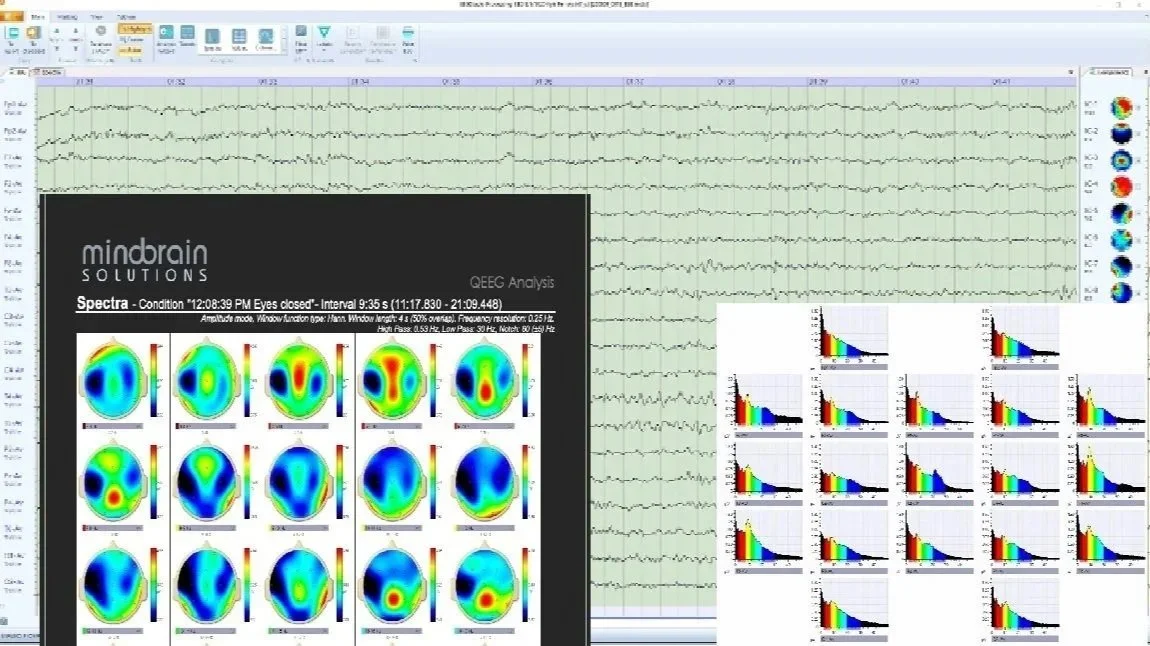
The 19 Ch QEEG Brain Map (The Gold Standard) vs The “Mini-Q” Brain Map
19-Channel Brainwave Assessment
The full EEG records 19 channels of brainwave activity
Simultaneous recording across whole head
Comprehensive brain analysis demonstrates connectivity between brain regions (coherence)
Normative database analysis of all 19 channels
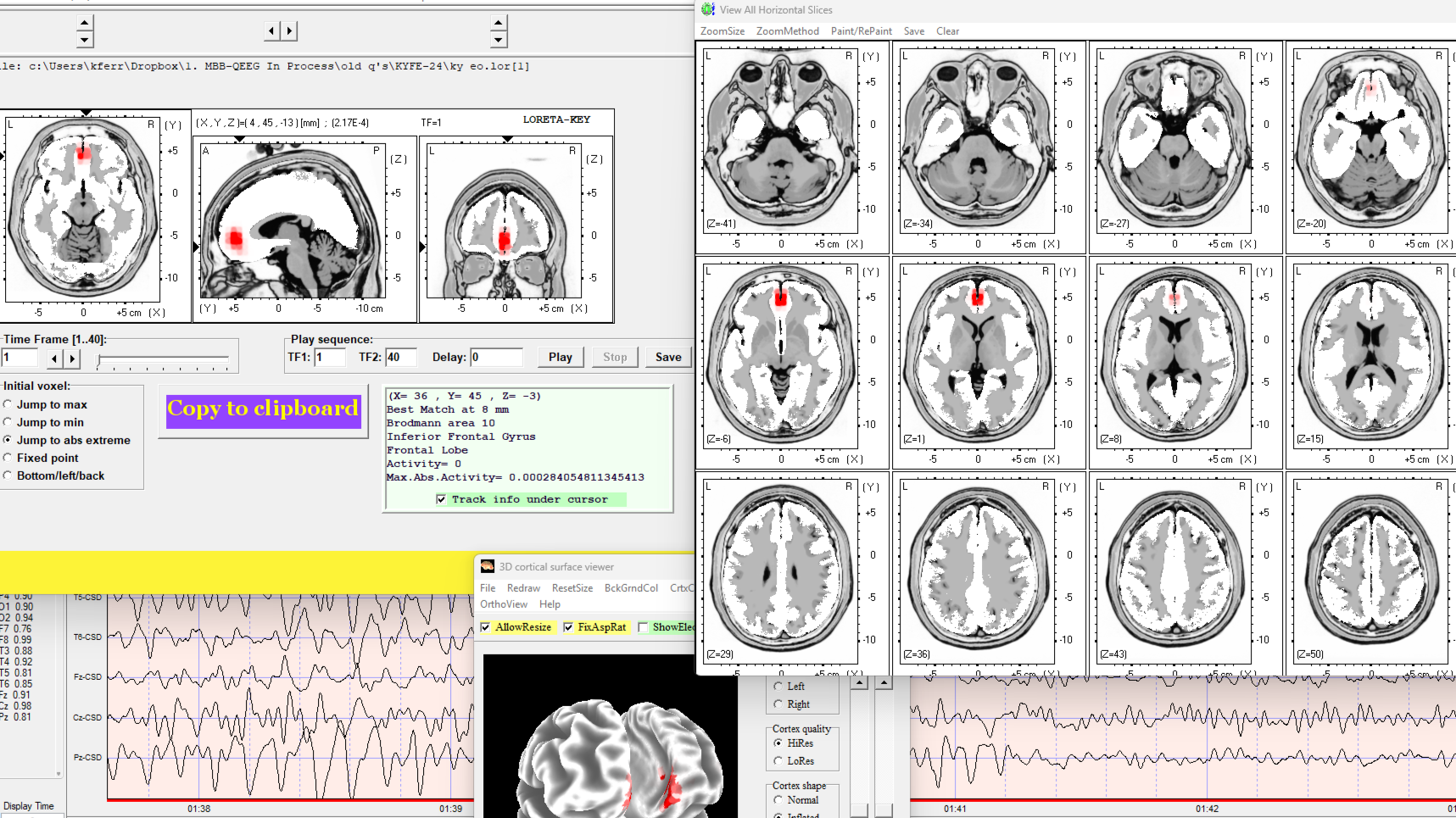
LORETA* imaging can be produced & analyzed
Used for in-depth assessment of cognitive issues
*LORETA - Low-resolution Electromagnetic Tomography is an advanced neuroimaging technique seen below.
19 Ch QEEG Brain Map
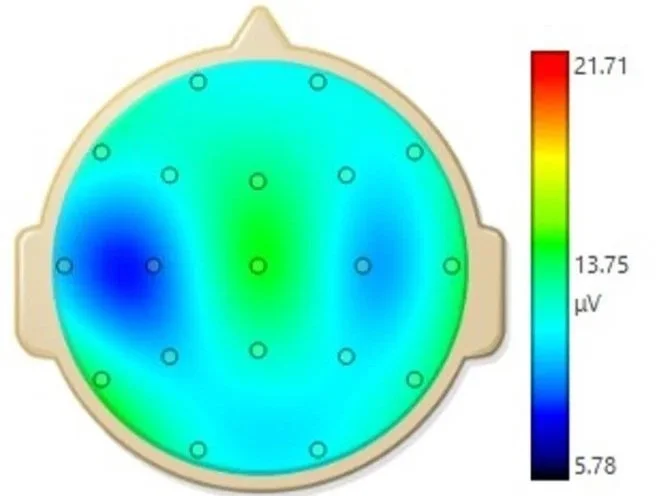
“Mini-Q" Brain Map
The EEG machine records 2 or 4 channels at a time
Sensors are moved around the head to capture data in 4-10 sites
Connectivity of the entire brain is not possible
Normative databases between only 2-4 channels
LORETA* imaging is not possible
Used for a quick, less expensive screening tool
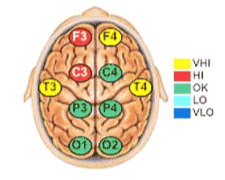
10 Ch Brain Map
Additional QEEG LORETA processing when recording with 19 channels. This software helps locate deep in the brain where the dysregulation originates.
Why 19 Channels Matter
In a Full 19-Channel QEEG Brain Map, brain activity of 19 sites on the head are measured and recorded simultaneously. This concurrent measurement is crucial as it gives visibility to how an individual’s brain actually functions as a whole, rather than in localized areas. For example, If one location of the brain shows excessive neural activities while on task, the other 18 sites can be assessed to determine if they too are affected by the dysregulation.
Precise medical requirements for the Full QEEG Brain Map offers greater reliability. Medical EEGs include a calibration file that ensures the machine works properly. During the test, at least 20 minutes of continuous data must be recorded from all 19 channels to be considered a success. This longer recorded time ensures there is enough data to filter out artifacts (blinking, muscle movement, etc). This is important to analyze data accurately.
Studies have continually shown that a minimum of 19 locations is required to accurately map brain function. The comprehensive and detailed analysis this test provides is second to none. This why 19-Channel QEEG Brain Mapping is still considered the “Gold Standard” within the industry.
The Mind Brain Solutions QEEG Brain Map has two segments, the in-clinic assessment and the remote results appointment.
In-Clinic Assessment
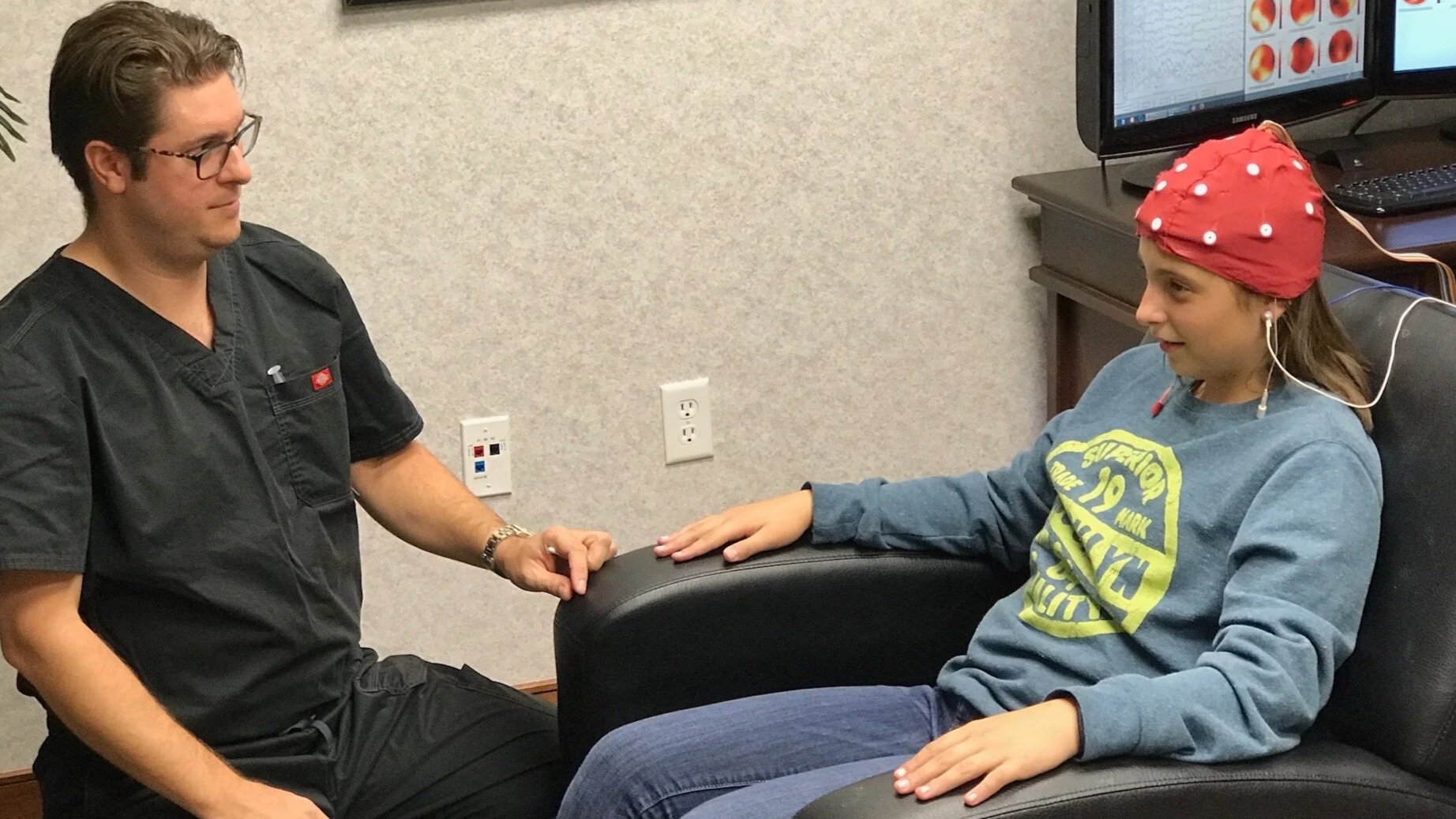
The QEEG Brain Mapping Assessment runs 45 minutes on average. During this non-invasive measurement, there will be a soft cap with connected wires placed on your head. You will be seated comfortably, working through basic eyes open and closed sections with Dr. Ferroly. Prior to your appointment, you will receive a checklist on how to prepare for the assessment. It’s really that easy to be one step closer to understanding your brain.
Comprehensive Results
Once the Mind Brain Solutions QEEG Brain Mapping Assessment is complete, the results are typically available within 48 hours. This portion of the assessment will be a remote call with Mind Brain Solutions. Your results will be delivered to you via email prior to the scheduled meeting. The results are color maps, which show areas of the brain running too fast (red), not fast enough (blue), and regulated (green). From the comfort of your home, you will be able to work through what measurements have been found, what it means, and discuss recommended next steps for your personalized journey.
The information you now have can be used in a multitude of ways. Some options include medication selection or information for your talk therapist, others include working with MBS on brainwave regulation such as Neurotherapy, tPBM, and AVE. For some, the goal is to simply understand what their brain is actually doing during their daily life. No matter what your goals are, we at MBS want to take the mystery out of your brain functioning so you can make the most educated decisions for you.
Watch Dr. Ferroly explain the importance of the full 19 channel QEEG Brain Map Assessment he uses at MBS
Are you curious about what’s happening in your brain?

Looking for More Information?
Neurofeedback training is often the next step after completing the QEEG Brain Mapping.
A Psychophysiological Assessment may help you gain additional information on your brain-body interaction
Learn how the QEEG Brain Map Assessment fits into the Mind Brain Solutions approach to health.